February 3, 2026
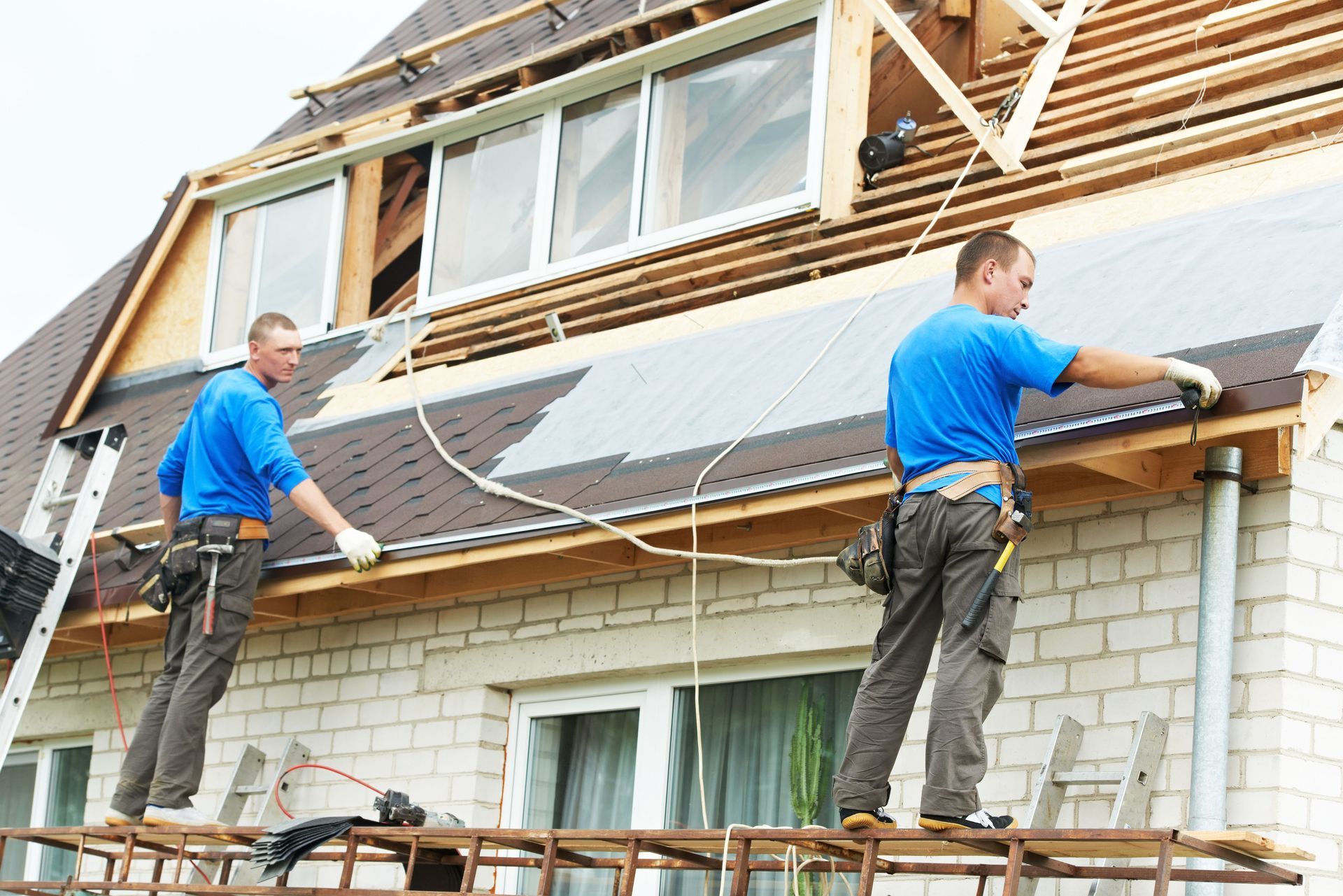
In the world of roofing, there are countless tips, tricks, and secrets that even experienced homeowners might not know. Here, we delve into three little-known facts unearthed from local roofers, bringing to light valuable insights that could save you time, money, and frustration. Armed with knowledge directly from professionals who navigate roofs in all conditions, homeowners can significantly enhance the performance of their roofing systems. This comprehensive guide offers a gateway into understanding why specific practices are crucial and how they impact the overall integrity of your home. Embrace these insights gathered from the trenches of roofing expertise, conveying wisdom oftentimes overshadowed by mainstream practices.
1. The Importance of Roof Ventilation
1.1 Excess Heat and Moisture Management
Local roofers emphasize the role of ventilation in managing excess heat and moisture, which can significantly extend roof life. Proper ventilation ensures that heat does not accumulate under the roof, which could otherwise lead to the warping and deterioration of roofing materials. Moreover, moisture levels are effectively regulated, preventing damp conditions that might contribute to mold growth. Regularly circulating air helps keep the roofing structure dry, reducing the risk of rot and subsequent structural failures. A well-ventilated roof is an insurance against numerous deteriorative processes that silently affect homes.
1.2 Impact on Energy Efficiency
Proper ventilation can reduce energy costs by regulating your home’s temperature more effectively. By facilitating the escape of hot air in the summer and the retention of warm air in the winter, ventilation systems enhance thermal comfort. This can lead to substantial savings on heating and cooling expenses, as less strain is placed on HVAC systems to maintain desirable indoor temperatures. Notably, according to This Old House, a roof that uses materials and colors to reflect sunlight and absorb less heat, can lower the indoor temperature by nearly six degrees in non-air-conditioned buildings. Roof ventilation plays a crucial role in maximizing these benefits.
1.3 Prevention of Mold and Mildew
Well-ventilated roofs help prevent the buildup of mold and mildew, which can lead to structural damage. Mold thrives in dark, damp conditions, and without proper airflow, attics become prime real estate for such organisms. This can progressively weaken roofing materials and even introduce health risks through lower air quality. By maintaining ventilation pathways clear and efficient, homeowners can avoid the hefty cleanup costs associated with mold remediation. Furthermore, the structural integrity of the roofing system is preserved, maintaining the envisioned lifespan of the roof.
1.4 Avoidance of Ice Dams
Ventilation is crucial in cold climates to prevent ice dams, which can cause water to seep under shingles. Ice dams form when snow on the roof melts and refreezes at the eaves, driven by heat improperly escaping from the attic. If left unchecked, ice dams lead to significant water damage as the melting snow pools and infiltrates the roof structure. Proper ventilation mitigates the risk by keeping the roof surface colder, preventing premature melting. By reducing ice dam formation, homeowners spare themselves costly repairs and potential replacement dilemmas.
1.5 Increasing the Longevity of Roofing Materials
By preventing overheating, proper ventilation protects roofing materials from premature deterioration. When roofing components are exposed to consistent heat, they become brittle and lose their mechanical properties sooner than expected. Ensuring effective air circulation within the attic helps disperse the heat and extends the lifespan of critical materials like shingles and underlayment. Consequently, homeowners see reduced frequency in repair and replacement, which translates to long-term savings. The strategic articulation of ventilation addresses these longevity concerns proactively, avoiding the pitfalls of deferred maintenance.
2. Selecting the Right Roofing Materials
2.1 Assessing Long-term Durability
Local roofers provide insights into selecting materials based on long-term durability for different climates. They evaluate environmental factors specific to regions, recommending materials that withstand local weather conditions effectively. In snowy regions, for instance, metal roofing may be suggested due to its ability to shed snow efficiently and resist heavy loads. Conversely, in areas prone to high winds, materials with strong adhesive properties or those that interlock might be preferred to prevent blow-offs. Understanding climate-specific durability leads to smarter material choices and improved longevity.
2.2 Cost vs. Quality Trade-offs
Understanding the balance between cost and quality can be pivotal in selecting the right materials. It is not uncommon for homeowners to lean towards cheaper materials to cut costs, but this often comes at the expense of quality and longevity. Identifying the sweet spot where material costs equate to sustained performance and aesthetic appeal is where homeowners find the most value. Roofers provide assessments on where cost efficiencies can be realized without compromising integrity. Such insights guide investment in materials deemed the most beneficial over the long term.
2.3 Aesthetic Considerations
Roofers often focus on how different materials can affect the overall appearance and value of your home. Not only do roofing materials serve a functional purpose, but they also contribute significantly to curb appeal and architectural harmony. Selecting the wrong hue or texture can clash with the rest of the structure, detracting from the home’s visual appeal. Many roofing options come with diverse color palettes and finishes that can accommodate varying tastes and architectural styles. Proper selection enhances aesthetics and maintains, or even increases, property value.
2.4 Environmental Impact
Roofers highlight eco-friendly options and materials that benefit both the homeowner and the environment. Today, more sustainable roofing options are available that are made from recycled or responsibly sourced materials. They are engineered to minimize carbon footprints and often come with energy-saving benefits, such as improved thermal performance. Opting for environmentally friendly choices not only reduces ecological impact but may also qualify homeowners for specific rebates or incentives. Additionally, they align personal responsibility with the broader objective of environmental conservation.
2.5 Compatibility with Existing Structures
Considerations about how materials will mesh with existing architecture are crucial in selection. Roof renovations must ensure that new materials harmonize with current styles, structural capabilities, and historical considerations where applicable. Disconnects between selected materials and architectural design can result in structural mismatches that require additional modifications and increased costs. Roofers emphasize the importance of assessing load-bearing capabilities and alignment with existing eaves, valleys, and overhangs. Seamless integration assures achievement of both functional and stylistic objectives.
3. Roof Maintenance and Inspection Tips
3.1 Regular Inspection Schedule
Adopting a regular schedule for roof inspections can prevent minor issues from turning into costly repairs. Experienced roofers recommend bi-annual checks, ideally in spring and fall, to assess the roof’s condition post-hard weather seasons. Regular inspections can uncover issues such as missing shingles, rusting flashing, or water damage early, allowing for quick resolution at lower costs. Scheduling these checks aligns with homeowners' long-term maintenance plans, establishing a proactive stance on home care. This approach minimizes emergencies and preserves the roof’s life span efficiently.
3.2 Identifying Early Signs of Wear and Tear
Experienced local roofers share common early signs of roof damage to watch out for. One major indicator is granule loss on shingles, often spotted in gutter deposits, which suggests the materials have aged. Moreover, visible signs such as curled shingles, moss growth, or sagging gutters signal imminent issues. Interior checks for ceiling stains or mold spots can also indicate potential breaches in the roofing barrier. Identifying these symptoms early enables timely intervention, ensuring minor repairs don't evolve into substantial projects.
Equipped with these little-known facts from local roofers, homeowners can make informed decisions, ensure proper roof maintenance, and leverage professional expertise when necessary. Understanding these nuances not only safeguards your investment but enhances the longevity and performance of your roof. Roof longevity and efficiency are intimately tied to maintenance diligence—investments in understanding these aspects result in appreciating asset value. By internalizing these roofing insights, homeowners establish a foundation of knowledge conducive to proactive rather than reactive management. Engaging expert-led guidance embodies visionary stewardship aligned with long-term home excellence. Be sure to reach out to JC Construction Service, LLC today for more information on our professional local roofers!