
October 2, 2026
Homeowners constantly seek innovative methods to reduce their monthly utility expenses and improve overall indoor comfort. Often, the focus shifts toward upgrading heating systems or adding attic insulation, leaving exterior walls completely overlooked. However, the architectural envelope of a house plays a massive role in regulating internal temperatures and preventing energy loss. The materials covering the outside of a residence endure relentless exposure to severe weather, extreme temperature fluctuations, and harsh solar radiation. When these materials deteriorate, they allow climate-controlled air to escape while letting uncomfortable outdoor drafts infiltrate the living space. By consulting with reliable local siding companies, property owners can explore advanced exterior cladding options designed specifically to create a tightly sealed building envelope. Upgrading the facade establishes a formidable barrier against the elements that significantly reduces the workload on internal climate control systems. Maintaining a robust exterior is truly essential for creating an environmentally friendly household.
1. Reducing Thermal Bridging
Traditional wood-framed houses suffer from a structural phenomenon known as thermal bridging, which quietly sabotages energy conservation efforts. The wooden studs framing exterior walls directly connect interior drywall to outside sheathing. Because solid wood conducts heat far more efficiently than soft fiberglass fluff placed between the studs, thermal energy easily travels through the framing. During winter months, precious indoor heat escapes through these bridges, forcing furnaces to consume excess fuel. Homeowners often notice unexplained cold spots along walls without realizing architectural framing causes this continuous heat transfer. Working alongside experienced local siding companies ensures proper identification of these structural weak points and provides modern solutions to halt energy drain. Ignoring these structural flaws only leads to higher utility bills as seasons change.
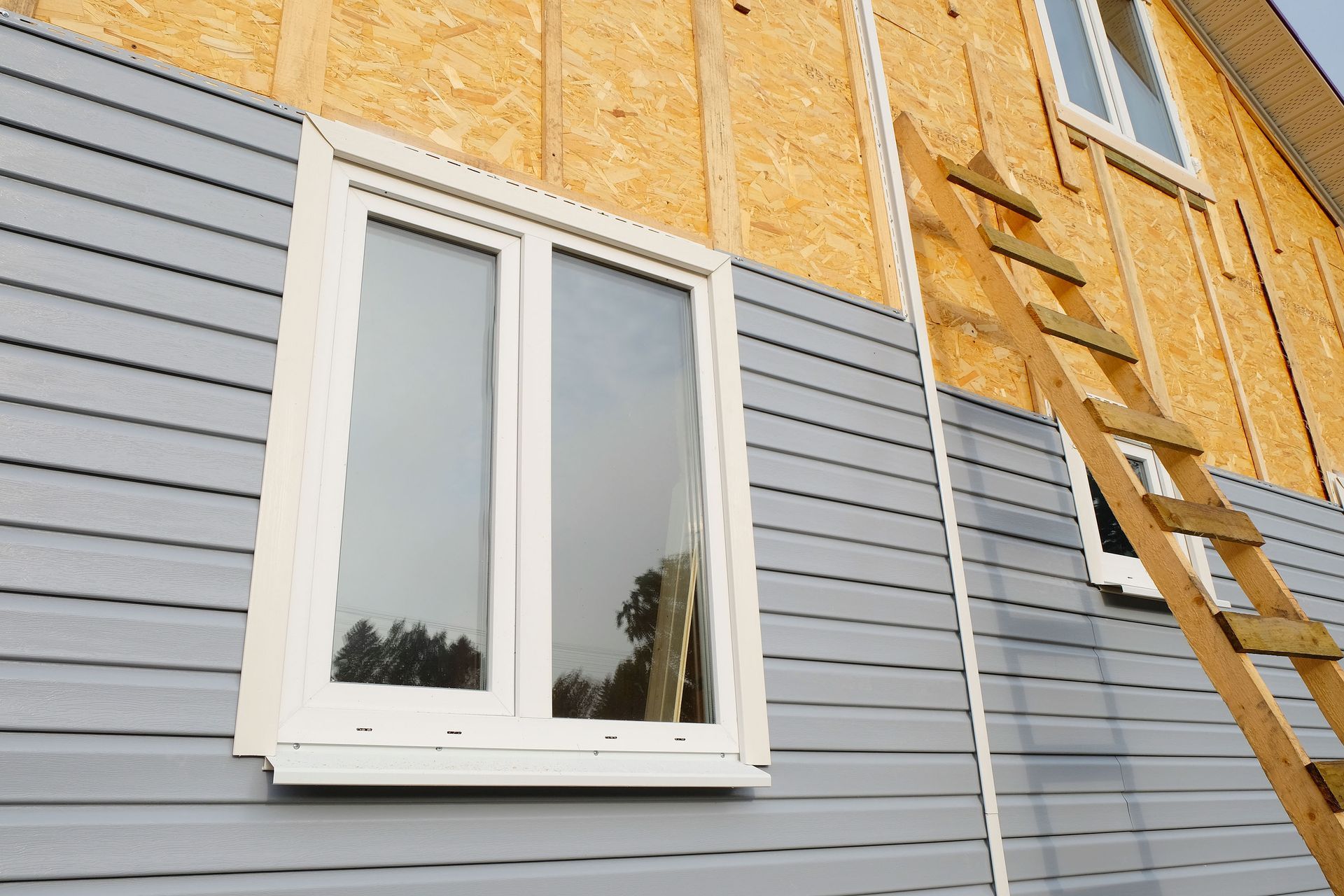
Applying specialized exterior cladding effectively neutralizes this invisible problem by creating a continuous thermal break. Modern insulated panels place a solid layer of foam directly over exterior studs, completely interrupting the path of heat transfer. Because this protective blanket covers the entire exterior surface, thermal energy can no longer use wooden framing as an escape route to cold outside air. This disruption translates directly to a highly stable indoor climate with evenly distributed temperatures. Property owners experience far fewer cold spots and enjoy a consistently comfortable living space regardless of how drastically outdoor weather fluctuates.
2. Adding Protective Insulation
Many contemporary exterior renovation products feature a substantial layer of rigid foam permanently bonded to the back of each panel. This integrated insulation surrounds the house in a continuous blanket of advanced thermal protection. The custom-shaped foam perfectly fills hollow voids behind the exterior profile, adding measurable resistance to heat flow across the wall surface. Unlike traditional fiberglass inside the wall cavity, this external shield attacks temperature extremes before they penetrate wooden sheathing. Consulting reputable local siding companies helps property owners navigate various thickness options and material compositions necessary for specific regional climate requirements.
The benefits of this supplementary insulation layer extend well beyond simple temperature regulation. Because the dense foam backing acts as an excellent shock absorber against severe weather, it dramatically reduces noise transmission from busy streets or heavy rainstorms. The structural rigidity provided by the integrated backing keeps exterior panels perfectly straight over decades of use, completely preventing ugly warping or sagging. Most importantly, this extra defense significantly lowers daily demand placed on central heating and cooling systems. Reducing this operational burden cuts overall energy consumption while maintaining a peaceful and perfectly temperate atmosphere inside the residence.
3. Preventing Air Infiltration
Older residences frequently suffer from hidden gaps, deteriorating caulk, and structural cracks along exterior walls, allowing conditioned air to freely escape. Wind pressure constantly forces freezing drafts through failing seams around window frames, corner posts, and foundational joints. These invisible leaks force heating and cooling units to run continuously just to maintain a baseline thermostat setting, wasting costly energy. Sometimes, a house feels impossibly drafty even when windows remain tightly shut and locked. Engaging professional local siding companies guarantees that skilled installation crews properly seal all vulnerable architectural intersections during the exterior renovation process.
Proper installation techniques focus heavily on establishing an impenetrable weather barrier before final decorative panels are ever attached. Installers wrap the wooden framework in a high-quality, scientifically engineered house wrap that completely blocks wind from penetrating structural cavities. This specialized membrane stops driving drafts while simultaneously allowing trapped interior water vapor to safely vent outward. When combined with tightly interlocking exterior panels, the comprehensive system creates an unyielding shield against punishing winds and violent weather patterns. Eliminating hidden drafts drastically improves the efficiency of the entire home and directly translates into noticeably lower monthly utility expenses.
4. Reflecting Solar Radiation
During intensely hot summer months, exterior walls absorb massive amounts of solar energy, which subsequently radiates directly into interior living spaces. Darker or older, unreflective materials tend to soak up this intense heat, effectively turning the residential structure into a massive heat sink. Air conditioning systems must then work overtime to combat this relentless influx of thermal energy, causing power bills to skyrocket. By collaborating with knowledgeable local siding companies, homeowners can purposefully choose advanced materials engineered specifically to reflect harmful ultraviolet and infrared rays away from the sensitive building envelope.
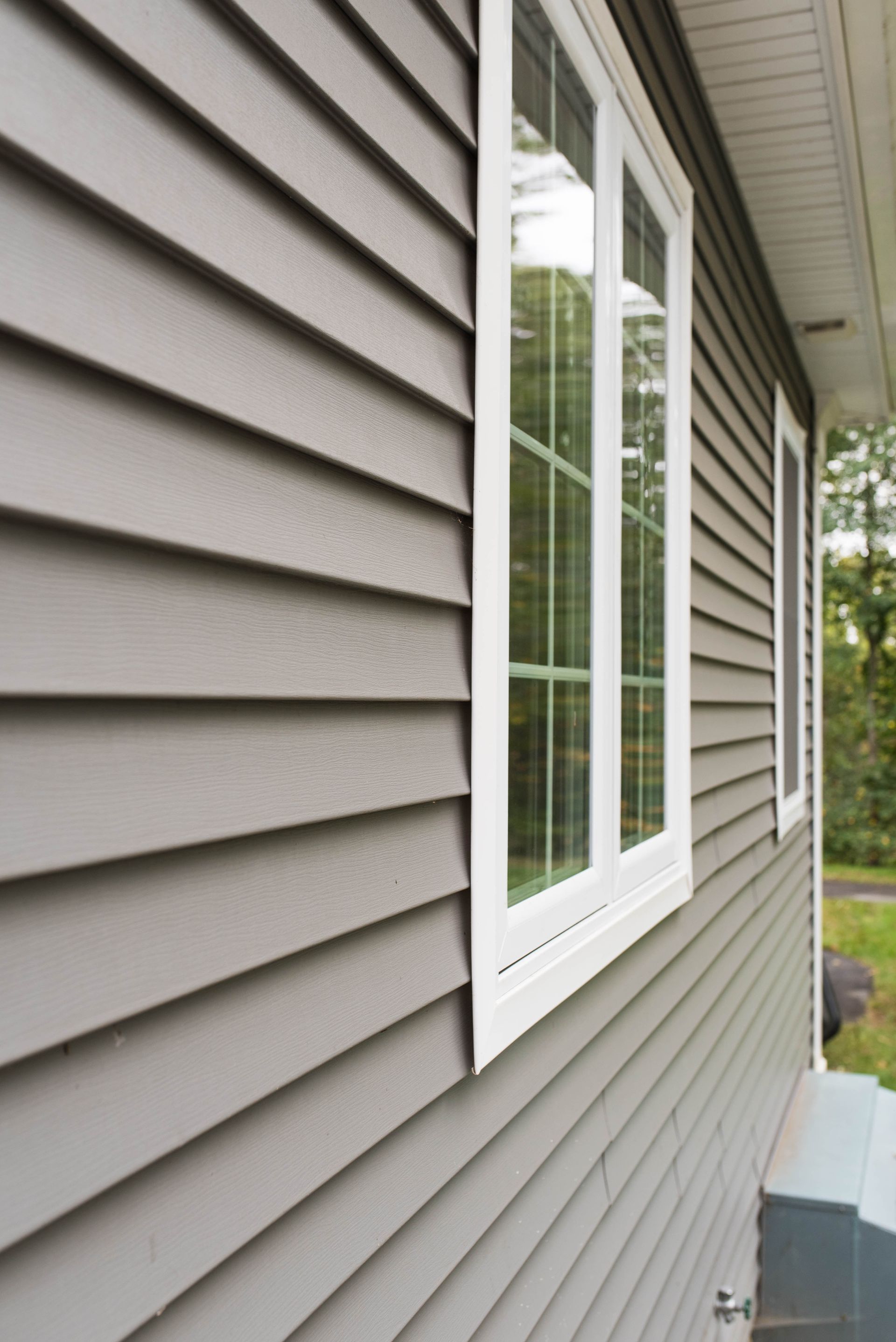
Manufacturing advancements now allow producers to incorporate highly specialized reflective pigments into the finish of modern exterior cladding products. These innovative coatings act like microscopic mirrors, bouncing solar heat back into the atmosphere rather than absorbing it into the wall assembly. Consequently, interior walls remain significantly cooler to the touch even during the peak heat of direct afternoon sun exposure. This passive cooling effect dramatically reduces reliance on mechanical air conditioning equipment during the hottest periods of the year. Lowering the cooling load further enhances the overall energy conservation profile while keeping the interior environment wonderfully refreshing.
5. Managing Moisture Buildup
The hidden presence of moisture within a wall cavity completely compromises the effectiveness of traditional interior fiberglass insulation. Whenever dampness infiltrates structural framing, fluffy insulation becomes wet and instantly loses its ability to trap tiny air pockets. Wet insulation is utterly useless against temperature transfer, functioning more like a thermal conductor than a protective barrier. Furthermore, trapped dampness promotes devastating structural rot and creates an unhealthy indoor atmosphere filled with hidden mold. Reaching out to trusted local siding companies guarantees the implementation of proper external drainage planes and advanced ventilation techniques that keep internal cavities perfectly dry.
Modern exterior cladding systems breathe organically to prevent dangerous moisture accumulation behind visible panels. Advanced installations feature a subtle air gap positioned directly between the outer material and the protective moisture barrier covering wooden sheathing. This rainscreen principle ensures that any incidental water penetrating the primary layer drains harmlessly downward to the ground below. Furthermore, naturally circulating air within this engineered gap swiftly evaporates residual dampness before it can reach underlying insulation. Maintaining exceptionally dry wall cavities ensures original insulation performs at maximum capacity, perfectly preserving the energy efficiency of the entire home.
Upgrading the exterior envelope of a residential property remains an incredibly effective strategy for lowering monthly utility costs and maximizing overall indoor comfort. From stopping bitter winter drafts to reflecting intense summer solar heat, these structural improvements create a vastly superior and highly regulated living environment. Blocking thermal bridging and ensuring wall cavities remain totally dry allows heating and cooling systems to operate efficiently without unnecessary strain. The peace of mind that comes from knowing your household is thoroughly protected against energy loss is truly invaluable. Beyond the immediate comfort and environmental benefits, a complete exterior renovation offers substantial financial returns for property owners. According to HomeGuide, replacing old siding typically delivers a return on investment of 75% to 85%, depending on the material. Executing such a crucial architectural upgrade requires highly experienced professionals to ensure absolutely flawless installation from start to finish. To begin enhancing the efficiency, protection, and beauty of your residence, get in touch with JC Construction Service, LLC.