November 3, 2026
Choosing between a complete overhaul and a simple restoration challenges many homeowners. Understanding the factors that influence this choice is crucial for maintaining property safety and value. Given the significant financial implications and disruptions, you must make well-informed decisions. This article explores when a roof repair is more beneficial than a complete replacement. By evaluating various conditions, you can keep your property protected and maintain market value.
Assessing Visible and Hidden Damage
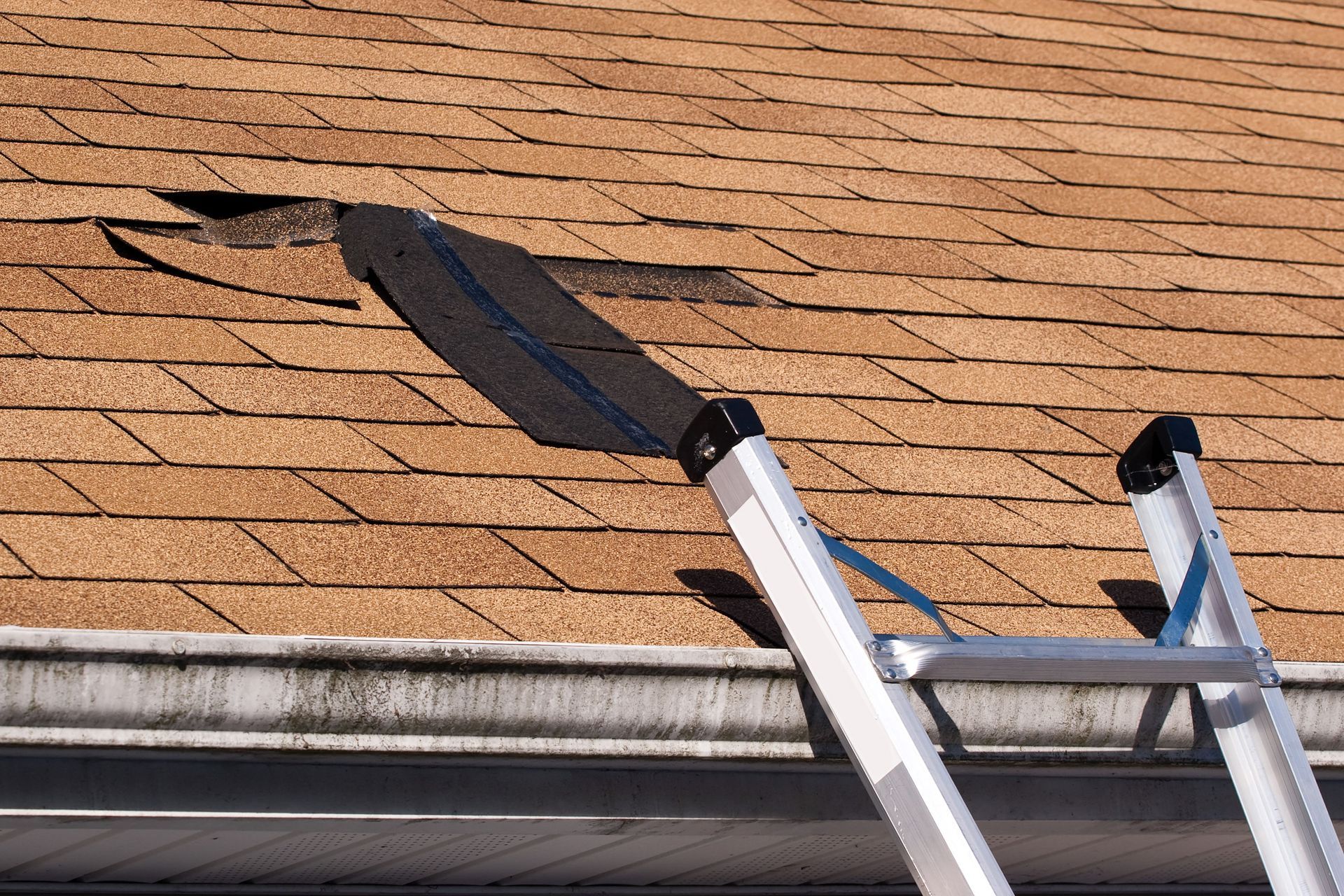
Visible wear, like missing shingles or apparent leaks, often indicates whether fixing specific areas manages the problem. Inspecting your house regularly for signs of deterioration prevents minor issues from evolving into major problems. Sometimes, deterioration remains localized to certain sections where targeted fixes suffice. Assess these specific areas critically to determine logical next steps. Effective health assessments avert unnecessary costs and disruptions associated with complete teardowns.
It is imperative to differentiate between superficial blemishes and deeper problems. During visual inspections, property owners should look for debris accumulation, moisture discoloration, or blunt impact damage. Simple patchwork or partial shingle replacement resolves surface-level issues effectively. The extent of visible wear guides judgments about whether to pursue targeted restoration or a complete tear-off. Consulting professionals for thorough inspections ensures surface issues are addressed properly, leading to economical solutions.
Underlying issues are not always immediately visible and require thorough investigation. Problems like poor attic ventilation, unnoticed moisture buildup, and pest infestations significantly impact home health. If such issues go undetected, they worsen over time, leading to a costly overhaul sooner than expected. Identifying these hidden problems early on makes a strong case for roof repair, delaying the need for a comprehensive intervention. A proactive approach ensures temporary solutions address core issues efficiently.
Evaluating Age and Structural Integrity
The current lifespan stage of materials significantly impacts the decision between targeted fixes and a brand-new installation. When materials reach their life expectancy, starting fresh makes financial sense. However, for relatively young structures, small fixes offer continued protection without heavy expenditure. According to HomeGuide, a roof repair is preferable if damage affects under 25% of the surface, costs stay below 30% of a replacement, and the structure is under 20 years old.
The type of materials used plays a crucial role in assessing longevity and restoration needs. Different materials offer varying degrees of durability, resilience, and repairability. For instance, metal surfaces might only require patch-ups for small dents, while traditional shingles need frequent attention due to curling or breakage. Recognizing material-specific characteristics helps forecast performance and decide the necessity of specific interventions. These considerations ensure that any chosen fixes align with current structural expectations and requirements.
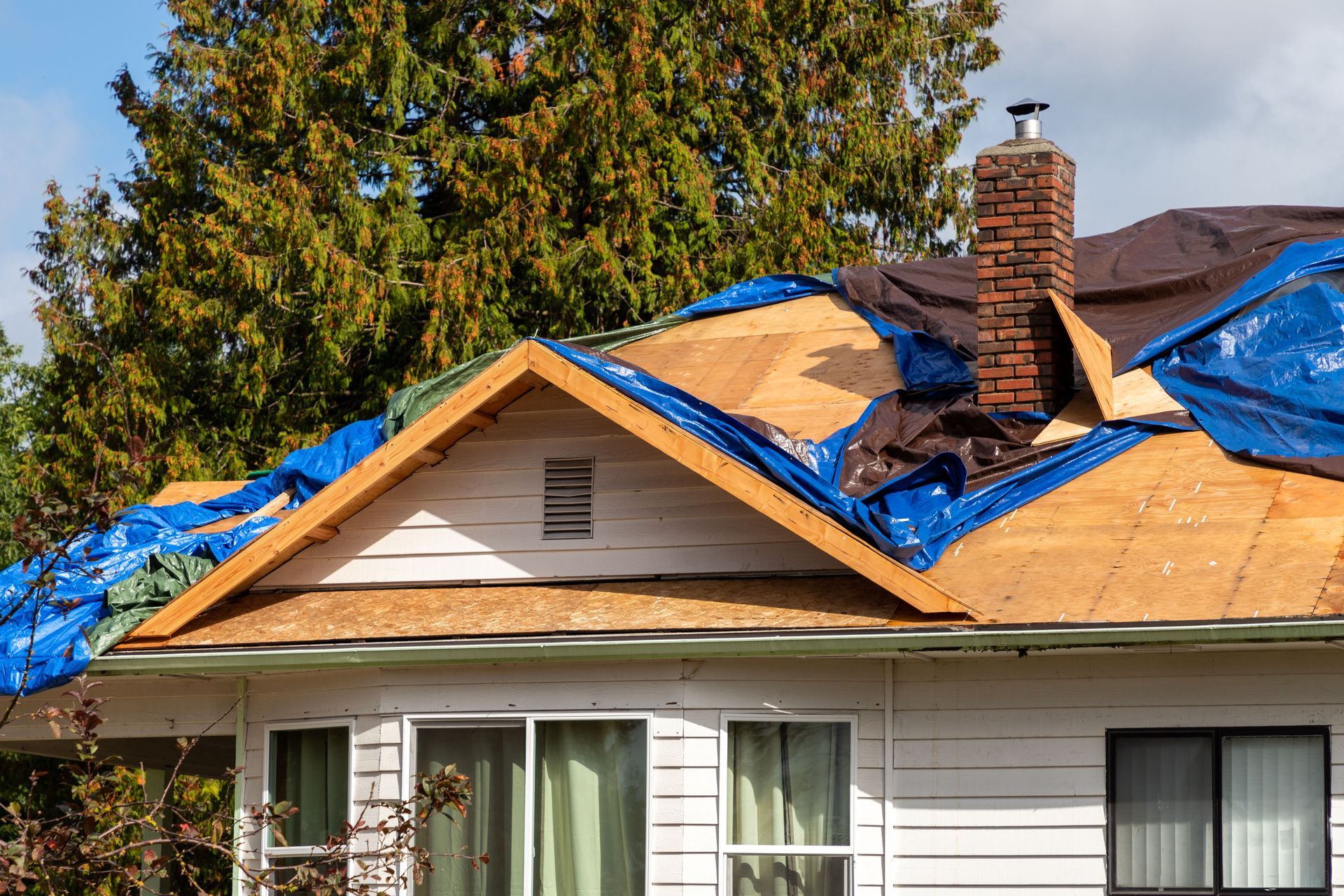
Structural soundness mandates significant consideration during the decision-making process. When assessing integrity, particular attention must be paid to aspects like the decking and support framework. Water leaks seep into structural components, compromising their strength over time. If structural soundness is questionable, partial fixes might not address the underlying support system. Thoroughly evaluating the framework ensures interventions are strategically sound. Opting for comprehensive teardowns becomes necessary if neglecting these issues poses direct safety risks.
Considering Seasonal and Environmental Impacts
Weather conditions heavily influence the decision to fix or replace property coverings. Seasonal variations, such as winter snow or summer sun, accelerate wear on specific areas. Climates with severe conditions demand robust systems for enduring hostile weather elements. A timely roof repair suffices if it addresses seasonal impacts effectively. In harsher climates, a complete structural renewal offers longer-term security against the elements, preventing recurring annual issues.
Environmental impacts like tree branches, algae growth, or debris accumulation also affect overall health. Over time, these elements degrade materials and diminish structural integrity. Routine maintenance mitigates such impacts, but if left unchecked, they require comprehensive teardowns. Evaluating surroundings and potential environmental threats provides insights into the best course of action. Effective assessments help align maintenance strategies with local environmental challenges, optimizing the benefits of any fix while preserving the entire house structure.
Geographical locations and associated climate patterns play a significant role in restoration decisions. Homes in humid or coastal regions are susceptible to moisture issues, while those in sunny areas must withstand continuous ultraviolet exposure. Understanding region-specific factors helps owners decide if minor adjustments provide adequate protection. Considering local weather patterns allows homeowners to plan solutions that safeguard properties against regional threats. A thoughtful evaluation ensures the chosen path matches specific local outdoor environment demands.
Comparing Costs and Financial Options
One primary factor influencing property decisions is the immediate financial burden. Targeted fixes typically involve lower initial costs compared to full teardowns, making them attractive to budget-conscious individuals. It remains essential to consider potential long-term savings and benefits. Localized fixes patch immediate issues but may not offer the extended longevity that a completely new installation provides. Balancing short-term affordability with long-term investment is vital for informed decision-making, ensuring immediate actions support future financial stability.
Cost estimation should factor in immediate expenses alongside future maintenance needs. Regular interventions add up over time, sometimes equating to or surpassing the cost of a complete replacement. Weighing total lifecycle costs and comparing periodic maintenance with singular investments clarifies choices. When evaluating which path makes sense, homeowners must consider expected property value increases alongside projected savings. A single roof repair saves money now, but owners must evaluate if it aligns with long-term goals.
Budget constraints and insurance coverage also dictate project feasibility. Limited finances might push homeowners toward temporary measures, but exploring financing options or filing claims makes complete renewals accessible. Policies often cover specific damage types resulting from insurable events, impacting out-of-pocket expenses. Reviewing claims history and consulting providers yields insights into optimal pathways. Access to low-interest loans or specialized funding schemes helps bridge the gap between an available budget and the most effective structural solution.
Analyzing Longevity and Future Performance
Deciding between short-term fixes and long-term replacements necessitates careful examination of performance outcomes. While cost-effective, a minor roof repair might not offer the comprehensive benefits of a complete installation. Ensuring long-term durability relies on strategic choices based on current material health and anticipated lifespan. Homeowners weighing immediate solution affordability against extended protection must consider these aspects thoroughly. The final decision should align structural solutions with present needs and prospects, preventing premature deterioration effectively.
A home's performance ties closely to its material integrity and resistance to climatic conditions. Short-term solutions sometimes fail to enhance endurance against erosion or harsh weather elements. These limitations require contemplating options holistically, ensuring interventions enhance performance sustainably. Each option's focus remains on sustaining structural fidelity and aesthetic appeal against time and environmental pressures. Decisions drawn from performance assessments balance minor improvements with overarching expectations. Ideal solutions harmonize immediate resolutions with longer-term gains.
Maintenance requirements fluctuate depending on whether a structure undergoes targeted fixes or a full replacement. Regular upkeep and directed attention toward problem spots on patched areas are critical in maintaining efficacy. Failure to commit to these routines transitions minor blemishes into progressive structural issues, diminishing earlier benefits. Conversely, brand-new installations offer reduced maintenance demands, allowing owners to focus on other property care aspects. Productive maintenance strategies consistently maximize protection through carefully planned investments, sustaining functionality.
Addressing structural deterioration requires balancing financial, environmental, and practical considerations. Whether opting for targeted fixes or a complete transformation, the goal remains ensuring a safe, valuable property. Taking proactive steps today prevents minor inconveniences from turning into major structural failures down the line. At JC Construction Service, LLC, we are ready to guide you through this process and execute the perfect roof repair, so please contact us today to schedule your comprehensive consultation.