
July 30, 2026
Severe weather poses an ongoing threat to residential structures, with severe winds, driving rain, hail, and heavy snow placing immense strain on residential overhead protection systems. Safeguarding a home begins at the topmost barrier, where minor vulnerabilities quickly escalate into major structural issues when subjected to extreme atmospheric conditions. Homeowners often overlook routine maintenance until water intrusion causes visible interior damage, resulting in costly emergency interventions and extensive property restoration. Taking a proactive, structured approach to storm preparation strengthens structural resilience, protects indoor living spaces, and extends the overall lifespan of shelter materials. Understanding how to inspect, reinforce, and maintain overhead structures enables property owners to face severe weather events with confidence and peace of mind.
Preparing a property for extreme weather requires diligence, strategic planning, and timely physical intervention before dark storm clouds gather on the horizon. A robust overhead barrier safeguards personal belongings, interior finishes, and structural framing members from moisture damage and wind uplift forces. By taking systematic action throughout the calendar year, property owners mitigate structural risks and prevent catastrophic storm damage. Evaluating structural components, clearing surrounding hazards, securing vulnerable seams, and partnering with qualified professionals form the cornerstone of effective storm readiness. Investing time and resources into preventive care ensures that a residential property remains a secure sanctuary through even the most intense weather events.
Inspect Structural Components and Shingle Integrity
Comprehensive visual inspections serve as the primary defense against unexpected storm damage, allowing property owners to identify subtle vulnerabilities before extreme weather strikes. Walking the property perimeter with binoculars offers a clear view of missing, cracked, curled, or loose surface materials without requiring dangerous ladder climbs. Pay close attention to ridge caps, eaves, and valley sections, as these areas experience the highest wind uplift forces during intense gales. Prompt attention to damaged surface materials prevents winddriven rain from penetrating underlying protective underlayment layers and entering the attic space.
Interior evaluations offer equally critical insights into the structural condition of an overhead barrier. Examining attic spaces for water staining, daylight penetration, mold growth, or sagging roof boards highlights existing leaks that require immediate structural attention. Addressing minor material degradation early helps property owners avoid emergency roof repair during active severe weather events. Scheduling routine semi-annual inspections and addressing minor roof repair needs early ensures that small vulnerabilities are identified and corrected long before seasonal storm systems threaten the region.
Clear Surrounding Vegetation and Overhanging Branches
Overhanging tree limbs represent significant hazards to overhead structures during severe weather events, as strong winds easily snap heavy branches and send them crashing onto residential structures. Even minor contact between swaying branches and surface materials strips protective granules, compromising waterproofing capabilities and accelerating material decay. Trimming branches away from the structure creates a safe buffer zone, eliminating impact risks during high-wind events. Maintaining proper clearance also prevents falling leaves, twigs, and organic debris from accumulating in valleys and clogging drainage pathways.
Tree maintenance extends beyond simple limb trimming to include evaluating overall tree health throughout the property perimeter. Diseased, dying, or structurally compromised trees pose severe falling hazards during saturated soil conditions and high-wind tempests. Engaging certified arborists to remove hazardous trees protects structural integrity and reduces the likelihood of catastrophic roof repair needs following major atmospheric disturbances. Clearing organic debris from around the home also deters pest infestations and improves overall landscape aesthetics.
Clean Gutters and Ensure Drainage Efficiency
Unobstructed drainage systems are critical for diverting torrential rainfall safely away from overhead structures, exterior walls, and foundational footings. Clogged gutters and downspouts cause heavy water accumulation along eave lines, allowing standing water to back up under edge materials and rot underlying wooden decking. Regular cleaning removes leaves, pine needles, dirt, and shingle granules that restrict water flow, ensuring rapid drainage during intense downpours. Installing durable gutter guards provides an additional layer of protection by blocking debris while allowing rainwater to pass freely through the system.
Verifying downspout placement and extension length guarantees that harvested rainwater discharges far enough from foundational walls to prevent soil erosion and structural settling. Inspect gutter fasteners, straps, and seams to ensure the entire assembly remains firmly anchored during heavy downpours and high wind gusts. Neglecting drainage systems often leads to extensive fascia board rot, ice dam formation during freezing periods, and premature roof repair projects caused by trapped moisture.
Secure Flashing and Seal Exposed Vulnerabilities
Flashing materials create watertight seals around overhead penetrations, including chimneys, skylights, vent pipes, and wall intersections. Over time, exposure to temperature fluctuations causes metal flashing to expand, contract, warp, or pull away from surrounding surfaces, creating direct pathways for water entry. Inspecting sealant joints, mortar lines, and rubber boots around vent pipes allows homeowners to identify gaps before driving rain penetrates interior spaces. Replacing deteriorated sealant with high-grade marine or roofing silicones restores moisture barriers around vulnerable joints.
Special attention must be given to valleys and roof-to-wall transitions, where high volumes of water flow during intense downpours. Proper installation techniques and high-quality materials are essential for maintaining long-term weather resistance across these high-risk areas. According to WifiTalents, 87% of roof leaks are caused by installation errors or material failures rather than the weather, increasing the importance of contractor process quality in residential roofing. Partnering with certified installation teams ensures that flashing assemblies withstand extreme hydrostatic pressure during severe weather events.
Reinforce Attics and Structural Framing Support
Internal structural reinforcement plays a vital role in preventing wind uplift damage and catastrophic roof loss during major hurricanes or tornadoes. High-velocity winds create powerful suction forces over overhead surfaces, while pressurized air entering through broken windows or open doors pushes upward from within the structure. Installing hurricane clips or framing ties connects roof trusses securely to exterior wall studs, creating a continuous load path that resists extreme uplift pressures. Retrofitting older homes with structural hardware significantly enhances building resilience against extreme weather events.
Ensuring proper attic ventilation and insulation maintains balanced temperature and humidity levels within the upper structure, preventing moisture buildup and wood rot. Adequate airflow prevents condensation from dampening insulation, degrading roof sheathing, or encouraging mold growth. Combining structural hardware retrofits with proper ventilation creates a strong, durable framework capable of enduring extreme wind gusts and heavy atmospheric moisture without requiring sudden structural roof repair.
Establish Emergency Response Plans and Professional Partnerships
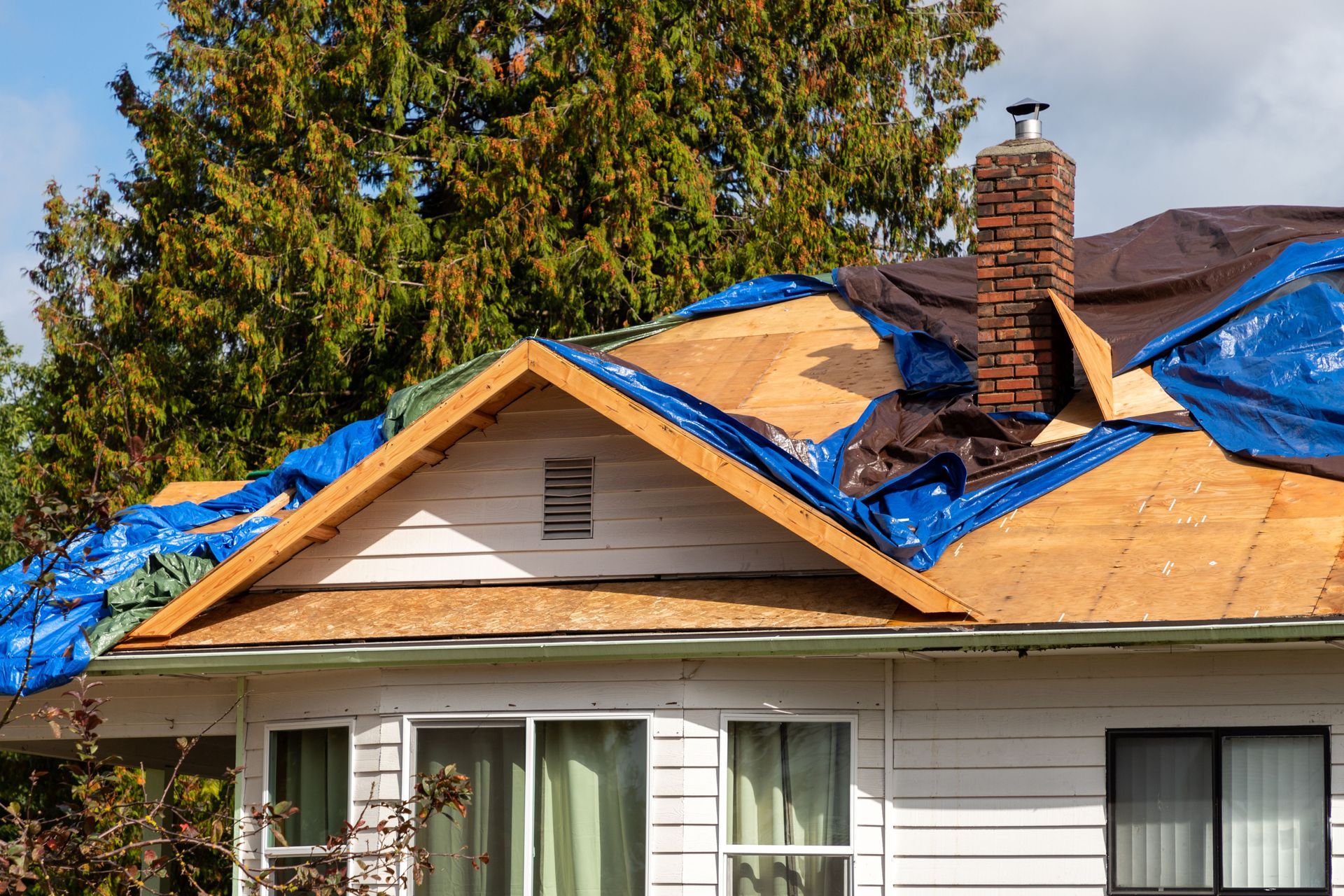
Developing a comprehensive emergency response plan ensures that property owners can react swiftly and safely following a severe storm event. Assembling a dedicated emergency kit containing heavy-duty tarps, securing ropes, wood strips, cordless fasteners, and safety gear allows for immediate temporary water diversion if structural damage occurs. Documenting the pre-storm condition of the structure with clear photographs provides valuable evidence for insurance claims should severe weather cause damage.
Establishing a pre-existing relationship with trusted, licensed contractors eliminates panic and ensures priority service when severe weather impacts an entire community. Qualified professionals perform safe post-storm damage assessments, identify hidden structural compromises, and execute permanent repairs using industry-approved techniques.
Protecting a residential structure from severe weather requires a proactive combination of regular maintenance, strategic structural reinforcement, and professional oversight. By inspecting surface materials, clearing hazardous vegetation, maintaining drainage pathways, securing flashing assemblies, reinforcing attic framing, and preparing emergency response plans, property owners effectively safeguard their homes against extreme atmospheric forces.
At JC Construction Service, LLC, we take pride in delivering exceptional craftsmanship, reliable structural protection, and comprehensive storm restoration services tailored to keep your home safe and secure through every season. Contact our experienced team today to schedule a thorough structural assessment and ensure your property is fully prepared to withstand whatever weather comes your way.