February 27, 2026
Maintaining the integrity of your home starts with a well-functioning roof. Often overlooked, a roof is a critical component that protects your property from the elements. Postponing necessary repairs can lead to serious structural damage, escalating costs, and long-term complications. Roof damage not only affects a home’s appearance but also carries significant financial and safety implications. Understanding the urgency of local roof repair helps homeowners preserve their investment and extend the lifespan of their property.
Identifying Signs of Roof Damage
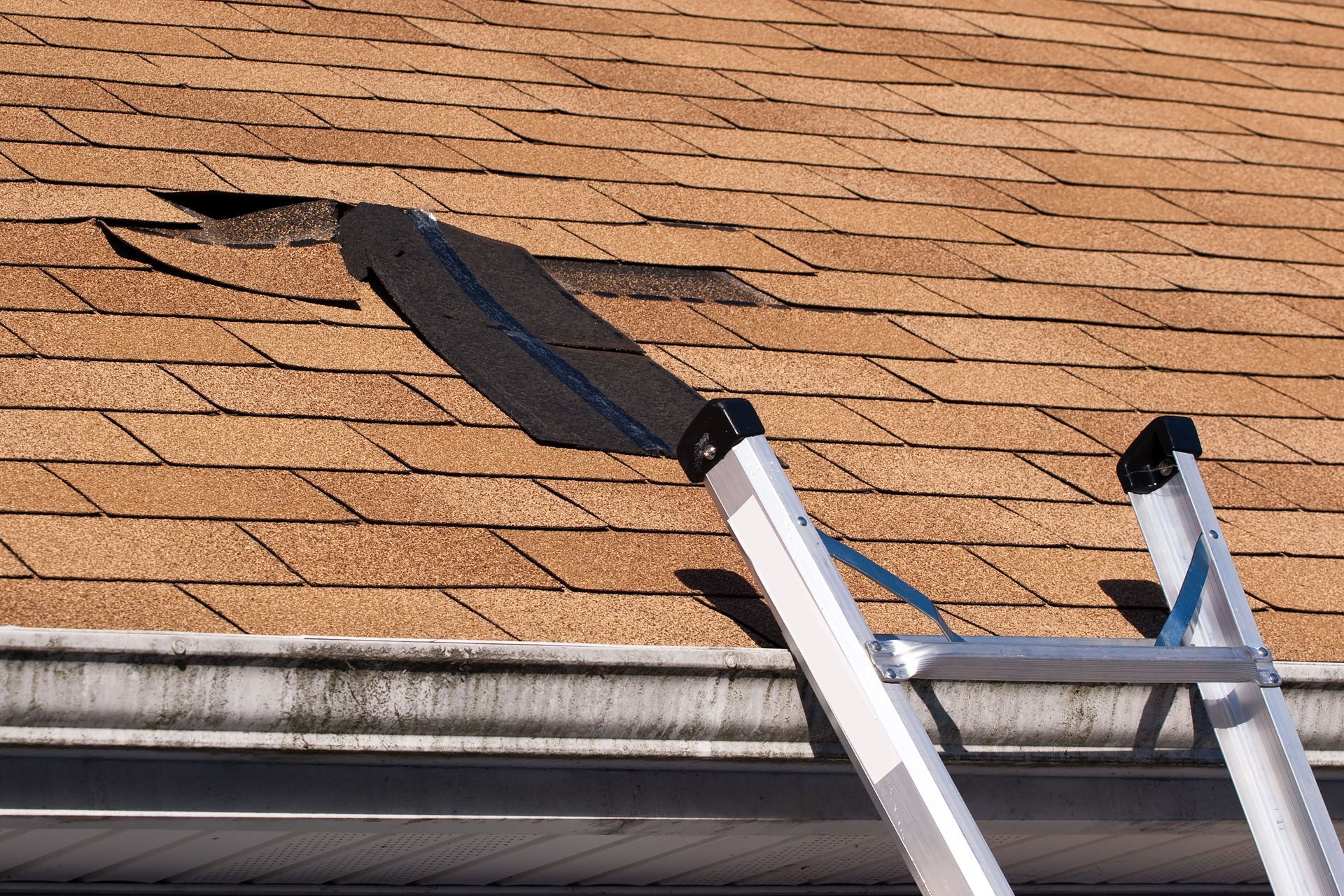
Visible indicators of roof issues are often easy to notice but frequently ignored. Missing shingles, caused by strong winds or heavy storms, are common warning signs. A sagging roofline may indicate underlying structural weaknesses that need attention. Water stains on ceilings or walls suggest active leaks that should be addressed promptly. According to Gitnux, about 35% of U.S. homes have roofs showing signs of wear or damage, illustrating the widespread need for timely repair. Identifying these signs early allows for prompt local roof repair, preventing more severe problems.
Inspecting the Attic for Leaks
The attic can reveal hidden problems not visible from the exterior. Water stains, damp areas, or mold growth often indicate leaks. Daylight streaming through the roof boards highlights openings requiring immediate attention. Examining structural components for soft spots can uncover early signs of rot or damage. Detecting issues in the attic early can prevent larger, costlier repairs down the line.
Detecting Mold and Mildew
Leaks often lead to mold and mildew, which pose health risks and can compromise structural elements. Mold thrives in damp environments, signaling persistent moisture problems. It can deteriorate drywall, compromise structural supports, and reduce indoor air quality. Musty odors or visible growth are signs that a roof issue may exist. Addressing mold quickly reduces health risks and limits damage.
Evaluating the Gutter System
Gutters play a vital role in protecting your home by channeling water away from the roof and foundation. Clogged or damaged gutters can cause water to back up, damaging fascia, roofing materials, and even the interior. Regularly inspecting gutters for debris and proper drainage helps identify potential roof concerns before they worsen. Well-maintained gutters support overall roof health and prevent additional repair needs.
Understanding the Cost of Delaying Roof Repairs
Neglecting minor roof issues can turn small problems into major repairs. Minor leaks or damage may be inexpensive to fix initially, but delays can lead to structural issues requiring extensive repair. Acting early can save homeowners significant money and prevent major overhauls.
Reducing Higher Energy Costs
Compromised roofs often reduce insulation effectiveness, causing heating and cooling systems to work harder. Roof gaps or leaks allow air to escape, increasing energy usage and utility bills. Timely repairs improve insulation, enhance energy efficiency, and lower monthly costs while contributing to environmentally conscious living.
Preserving Home Value
A home’s roof condition directly impacts its market value. Buyers typically prefer homes requiring minimal immediate repairs. Aging or damaged roofs can deter potential buyers and decrease property value. Addressing roof issues promptly maintains curb appeal and resale potential.
Minimizing Interior Damage
Postponing roof repairs increases the likelihood of water damage to ceilings, walls, and floors. Leaks create conditions conducive to mold growth, compounding repair expenses. Addressing these issues through timely local roof repair prevents water damage to ceilings, walls, and floors.
Protecting Insurance Coverage
Many homeowners’ insurance policies require routine maintenance to remain valid. Delayed repairs may lead insurers to deny claims if damage could have been prevented. Maintaining the roof and addressing issues promptly helps safeguard coverage and protect homeowners financially.
Exploring Popular Roof Materials and Techniques
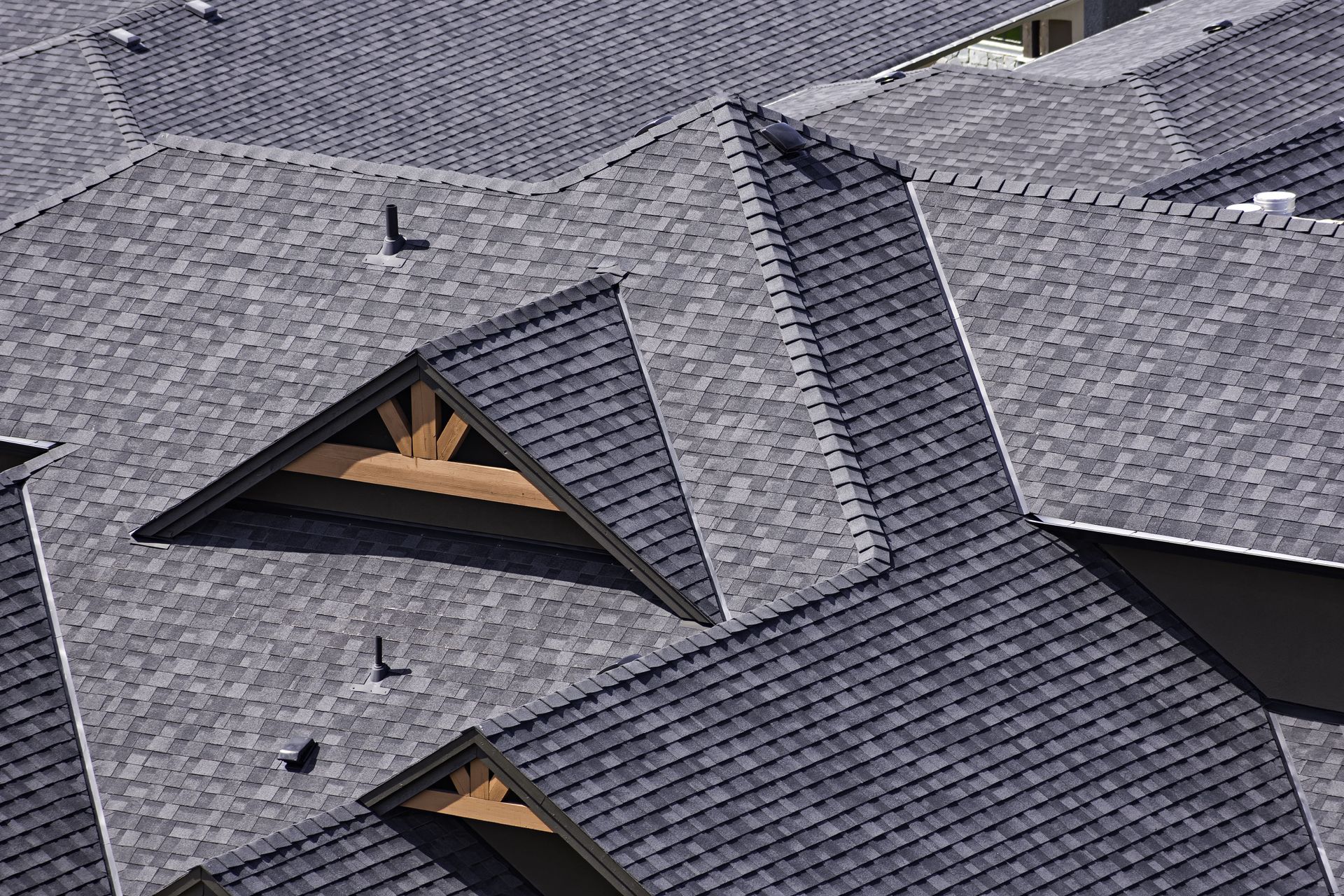
Various roofing materials offer distinct advantages. Asphalt shingles are cost-effective and simple to install. Metal roofs are long-lasting and improve energy efficiency by reflecting heat. Wood and tile provide aesthetic appeal but may require more upkeep. Choosing the right material depends on budget, local climate, and personal preferences.
Weighing Repair versus Replacement
Homeowners often face the decision between repairing damaged sections or replacing the entire roof. Minor damage may only require partial repairs, while widespread issues can necessitate full replacement to maintain safety and performance. Assessing costs and long-term benefits helps determine the appropriate solution.
Implementing Advanced Roofing Techniques
Modern roofing techniques enhance durability and water resistance. Sealants, coatings, and improved underlayments can extend roof life and provide additional protection against leaks and weather events. Homeowners exploring modern approaches can improve performance without a full roof replacement.
Considering Sustainable Roofing Options
Eco-friendly roofing materials are increasingly popular. Recycled shingles, green roofs, and solar-integrated systems reduce environmental impact and may qualify for tax incentives. These options can also lower long-term energy costs while maintaining home protection. Sustainable roofing aligns environmental responsibility with property maintenance.
Selecting a Contractor
Hiring an experienced contractor results in a thorough assessment and quality repairs. Reviews, certifications, and references provide insight into a contractor’s reliability. Obtaining multiple quotes allows homeowners to compare services and pricing. Choosing a reputable contractor supports a successful roofing project and a well-maintained home.
Evaluating Regional Considerations
Local climate strongly influences roofing needs and project timing. Areas exposed to high winds, heavy snow, or extreme heat require roofs capable of withstanding these conditions. Considering weather patterns allows repairs and replacements to be planned appropriately.
Complying with Building Codes
Local building regulations affect roofing projects, dictating material use, structural specifications, and ventilation requirements. Adhering to these codes avoids legal complications and supports project safety.
Estimating Typical Roof Lifespan
Roof longevity varies based on regional climate and environmental conditions. Homes in milder climates may experience longer-lasting roofs, while harsh weather areas may require earlier maintenance or replacement. Understanding expected lifespan aids in planning proactive repairs.
Following Community Aesthetic Guidelines
Neighborhood associations may enforce aesthetic guidelines for visible roofing projects. Following these standards maintains community consistency and avoids approval delays. Compliance allows repairs to align with community expectations.
Planning Repairs Around Seasonal Patterns
Scheduling repairs during moderate temperatures and dry conditions prevents delays and enhances efficiency. Considering seasonal timing reduces emergencies and creates smoother project execution.
Implementing Preventive Roof Maintenance
Routine inspections, ideally twice a year, help identify minor issues before they escalate. Professional assessments provide comprehensive insights, and early detection of problems can reduce costly repairs.
Cleaning and Maintaining Gutters
Cleaning gutters prevents blockages that could lead to water damage. Regular maintenance allows proper drainage and reduces strain on roofing materials. Homeowners should schedule gutter cleaning at least twice annually.
Managing Trees and Vegetation
Overhanging branches and nearby vegetation can damage roofing materials and encourage moss or mold growth. Trimming and maintaining vegetation reduces these risks and prolongs roof life.
Preventing Ice Dams
In cold climates, ice dams can cause significant roof damage. Adequate attic insulation, ventilation, and timely snow removal reduce ice accumulation. Preventative measures safeguard the roof during harsh winters.
Establishing a Maintenance Routine
Scheduling regular inspections and local roof repair when needed keeps your roof durable and effective. Documenting maintenance activities helps with future assessments or insurance claims, supporting overall durability.
Addressing Emergency Roof Situations
In case of sudden leaks or storm damage, contacting a professional for local roof repair can minimize extensive damage. Being aware of potential emergencies helps homeowners act efficiently.
Applying Temporary Patch Solutions
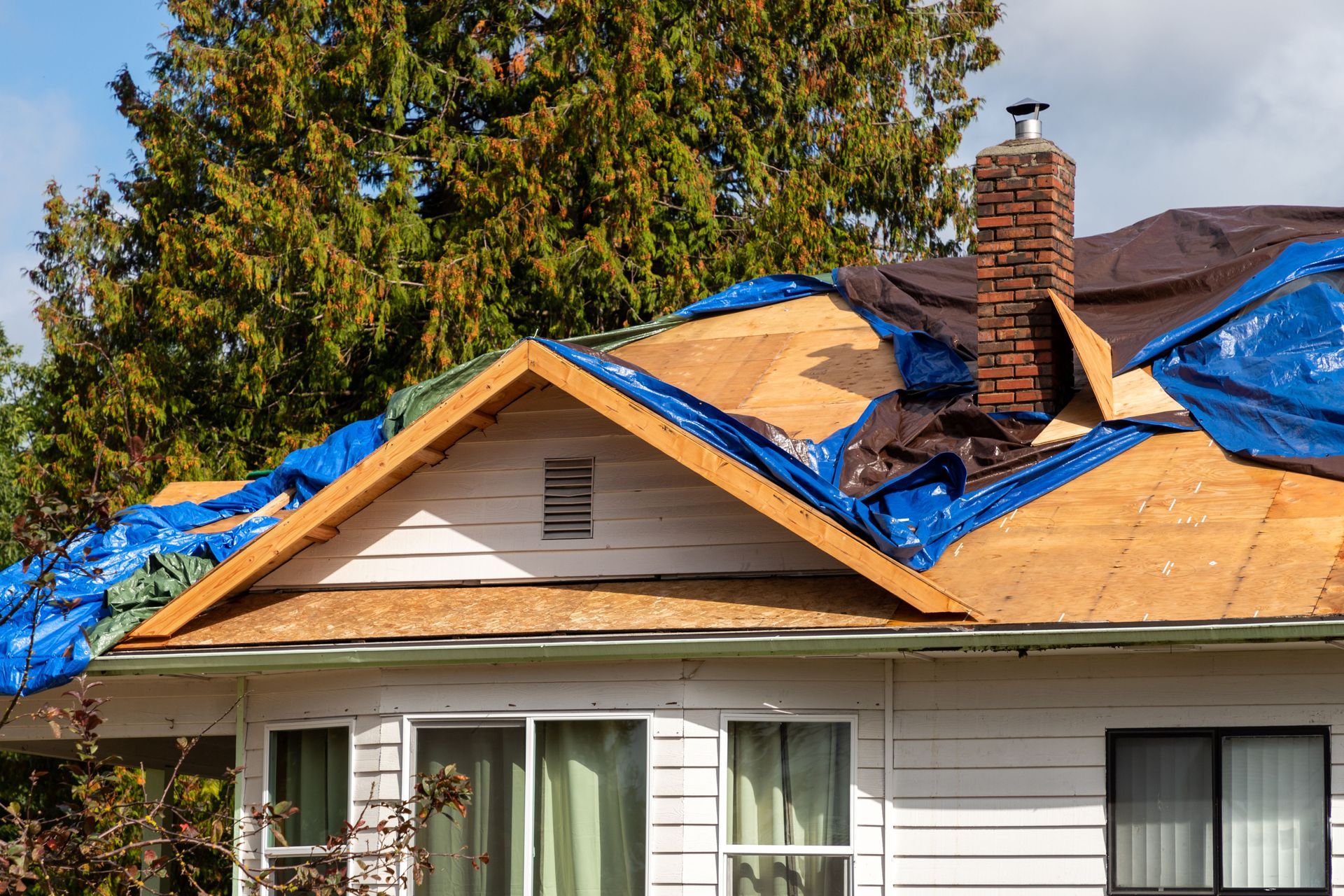
Temporary measures, such as tarps or sealants, protect exposed areas until professional help is available. Stabilizing damage minimizes further deterioration during emergencies.
Following Safety Precautions
Safety is critical during any roof work. Using protective equipment, stable ladders, and avoiding hazardous conditions prevents injury. Following safety protocols allows for effective and secure repairs.
Contacting Professional Services
Professional roofing services offer fast, effective solutions during emergencies. Providing clear damage descriptions helps contractors respond appropriately.
Preventing Future Emergencies
Regular inspections, timely repairs, and weather monitoring reduce the likelihood of emergencies. Using durable materials and maintaining proper installations strengthens roof resilience over time.
Timely attention to roof issues is essential to maintaining a secure and efficient home. Addressing problems early helps protect property value, reduce repair costs, and prevent extensive interior damage. Routine inspections, preventative measures, and informed contractor selection contribute to a long-lasting roofing system. For homeowners seeking dependable local roof repair, partnering with experienced contractors like JC Construction Service, LLC provides professional solutions, prompt service, and durable results.