August 3, 2026
A home is one of the most significant financial investments a person will ever make, and the roof serves as its primary shield against the elements. From heavy downpours and scorching summer heat to winter freeze-thaw cycles and high winds, roofing structures endure constant wear and tear. When a leak springs, shingles blow off, or flashing buckles, many homeowners are tempted to pull out a ladder and take on the repair themselves to save money. However, what might seem like a straightforward weekend DIY project can quickly escalate into a dangerous, costly mistake.
Understanding the true complexity of roofing systems reveals why amateur repairs often backfire. Modern roofs are intricate, multi-layered systems engineered to shed water, provide thermal insulation, and allow proper attic ventilation. Attempting a temporary patch without a deep understanding of these interrelated components frequently masks underlying issues while allowing severe damage to spread unseen. Leaving roof maintenance and restoration to an experienced professional is the safest and most cost-effective decision a property owner can make.
Navigating the Hidden Complexity of Aging Housing Stock
One of the main reasons roofing issues are becoming more frequent across the country relates directly to the age of residential buildings. Older structures naturally experience structural settling, worn decking, and deteriorated underlayment that require specialized diagnostic skills to identify and fix correctly.
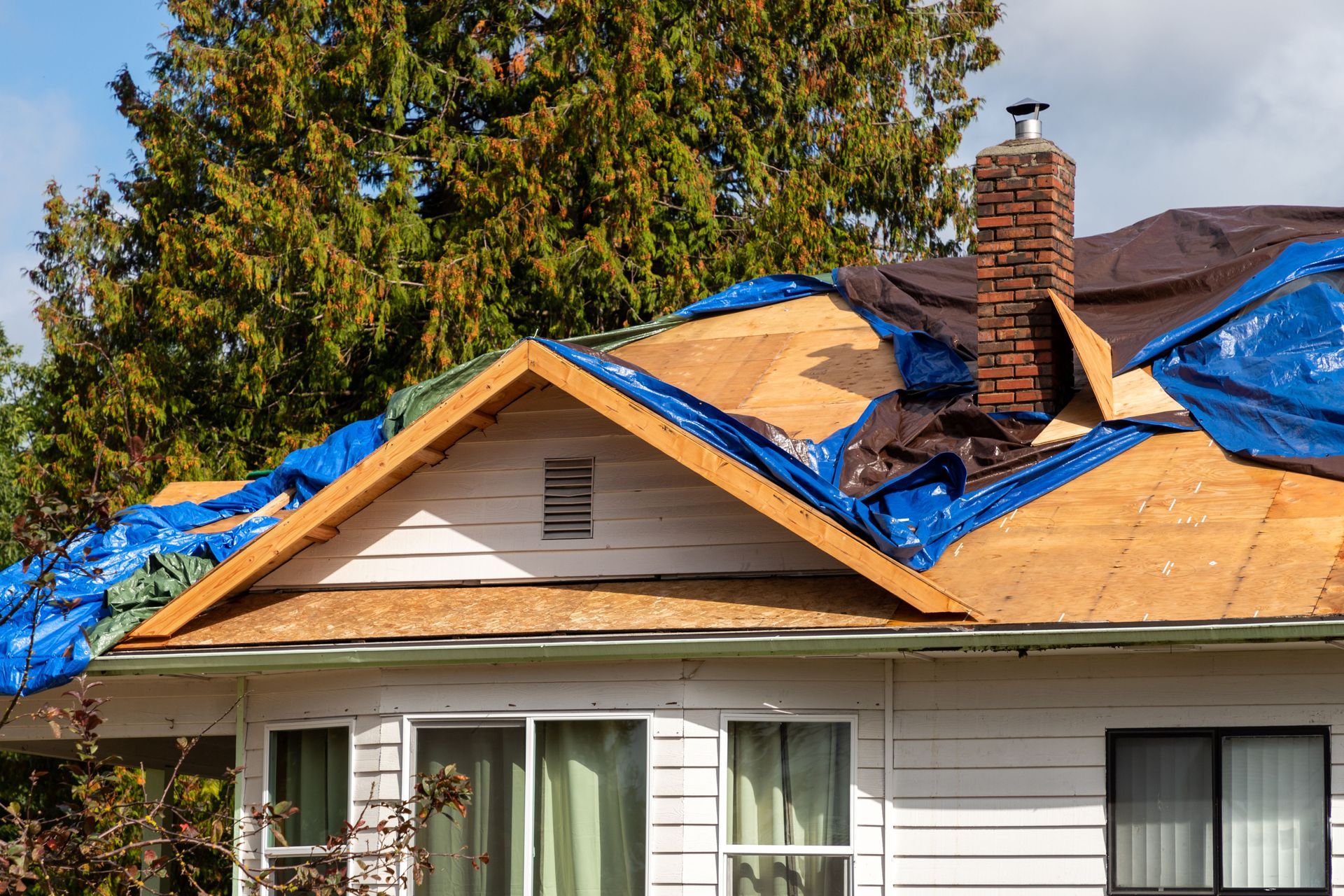
As homes age, their structural components require more sophisticated care than simple spot-fixing. According to WifiTalents, roughly 4.5% of housing units in the U.S. are over 50 years old, which significantly drives up roof replacement rates since most roofing systems reach the end of their lifespan within this timeframe. When an aging structure begins to leak, the problem rarely stays confined to the surface layer. Worn-out materials, dry-rotted plywood, and failing moisture barriers mean that swapping out a single shingle will not solve the underlying issue. A trained roofer knows how to evaluate the structural integrity beneath the shingles, identifying hidden rot, sagging rafters, and compromised decking before minor surface leaks turn into catastrophic structural failures.
Avoiding the Unforgiving Safety Hazards and Injury Risks
Working at elevated heights is inherently dangerous, even on single-story residential homes. Professional roofing ranks consistently among the most hazardous occupations due to steep slopes, unpredictable wind gusts, slick surfaces, and loose debris. Falling from a roof or ladder can result in severe, life-altering injuries or permanent disability.
Professional contractors invest heavily in specialized fall-protection equipment, including safety harnesses, roof anchors, non-slip footwear, and heavy-duty staging systems. More importantly, they undergo extensive training on ladder safety, balance management, and environmental hazard recognition. An untrained homeowner stepping onto a steep or wet roof lacks both the safety gear and the muscle memory required to navigate high-risk slopes securely. Hiring a qualified roofer eliminates personal physical risk, ensuring that dangerous elevated repairs are handled strictly by trained specialists equipped with proper safety gear.
Eliminating the Risk of Misdiagnosing the Root Cause
Water is notoriously deceptive. Where a leak appears on an interior ceiling rarely corresponds directly to where water is penetrating the outer roof structure. Water can enter through a small tear in the ridge vent, travel along a rafter, seep through an insulation barrier, and finally drip down a wall several feet away from the original entry point.
An inexperienced DIYer typically fixes only the visible surface symptom, such as replacing a broken shingle where the stain appears indoors, while leaving the true entry point wide open. This leads to persistent moisture buildup inside wall cavities and attics. Over time, trapped moisture fosters toxic mold growth, destroys wood framing, and damages ceiling drywall. When you hire an experienced roofer, they conduct a comprehensive diagnostic assessment. They inspect flashing around chimneys, valley transitions, plumbing stacks, and soffit vents to track down the precise origin of the leak rather than applying a cosmetic bandage.
Ensuring Proper Material Selection and Installation Techniques
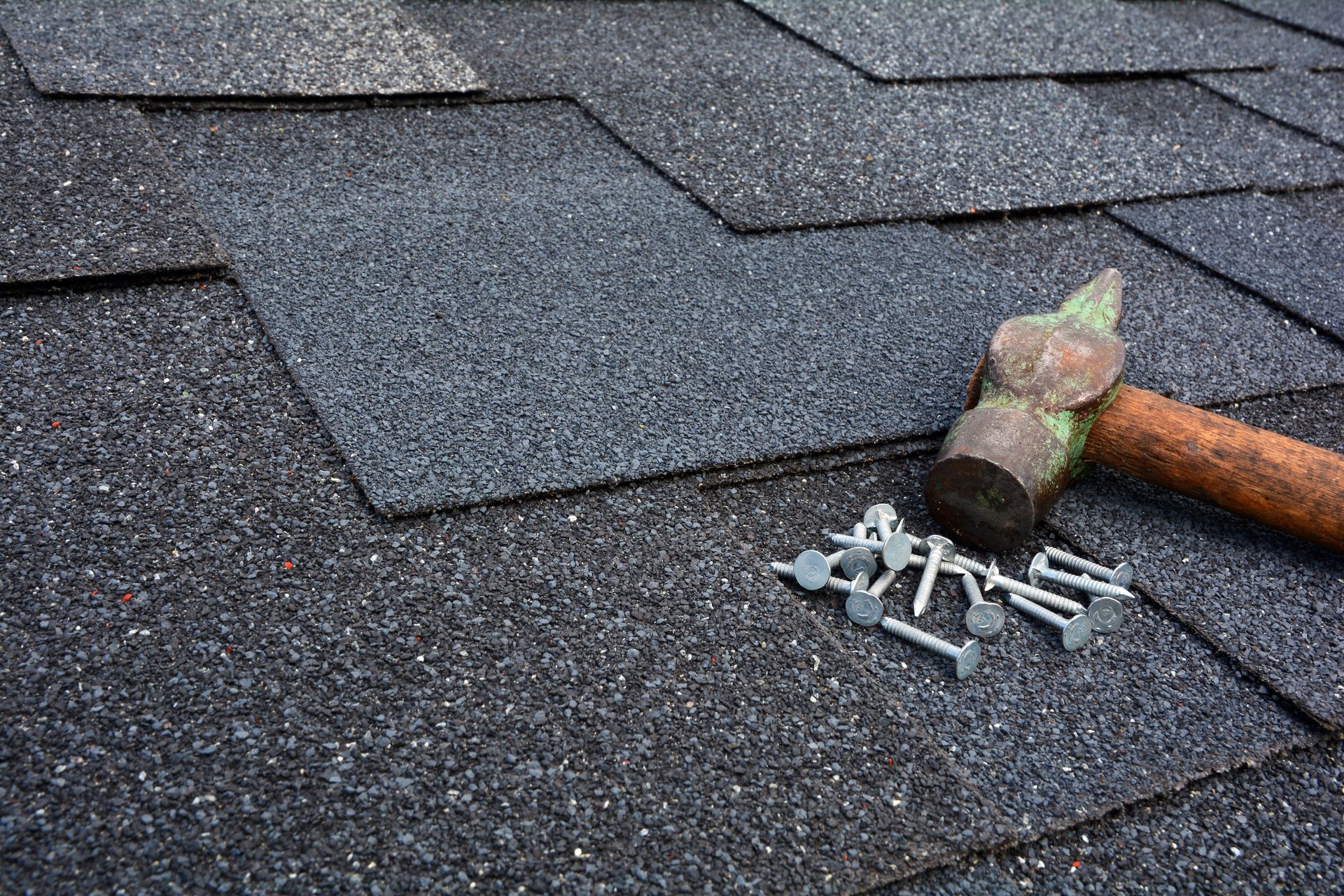
Roofing materials have evolved well beyond basic asphalt shingles. Modern roofing systems utilize synthetic underlayments, ice and water shields, specialized valley flashing, starter strips, and ridge caps that must interact seamlessly. Installing these materials requires strict adherence to manufacturer specifications, precise nailing patterns, and proper sealants.
Using the wrong type of sealant, nailing shingles too tightly, or misaligning flashing strips can ruin the integrity of the entire roof. For example, using standard caulk instead of high-grade elastomeric roof sealant can lead to rapid drying, cracking, and water infiltration within a single season. A certified roofer understands the exact thermal expansion properties, fastening requirements, and ventilation standards necessary for every material type. Their expertise ensures that every layer of the system functions as designed, providing durable protection that withstands severe weather.
Safeguarding Warranties and Homeowner Insurance Coverage
Homeowners insurance policies and manufacturer warranties contain strict guidelines regarding who can work on a roof and how repairs must be completed. Attempting DIY repairs or hiring uncertified handymen can unintentionally void valuable manufacturer warranties, leaving you fully responsible for future material defects or premature failures.
Furthermore, if a self-performed repair fails and causes extensive interior water damage, your insurance provider may deny the claim due to improper maintenance or non-professional workmanship. A licensed and insured roofer carries full general liability and workers' compensation coverage, protecting property owners from financial liability in the event of accidental property damage or worker injury. Furthermore, professional documentation and receipts provide clear proof of proper maintenance, which helps preserve insurance coverage and validates manufacturer warranty claims.
Preserving Long-Term Property Value and Curb Appeal
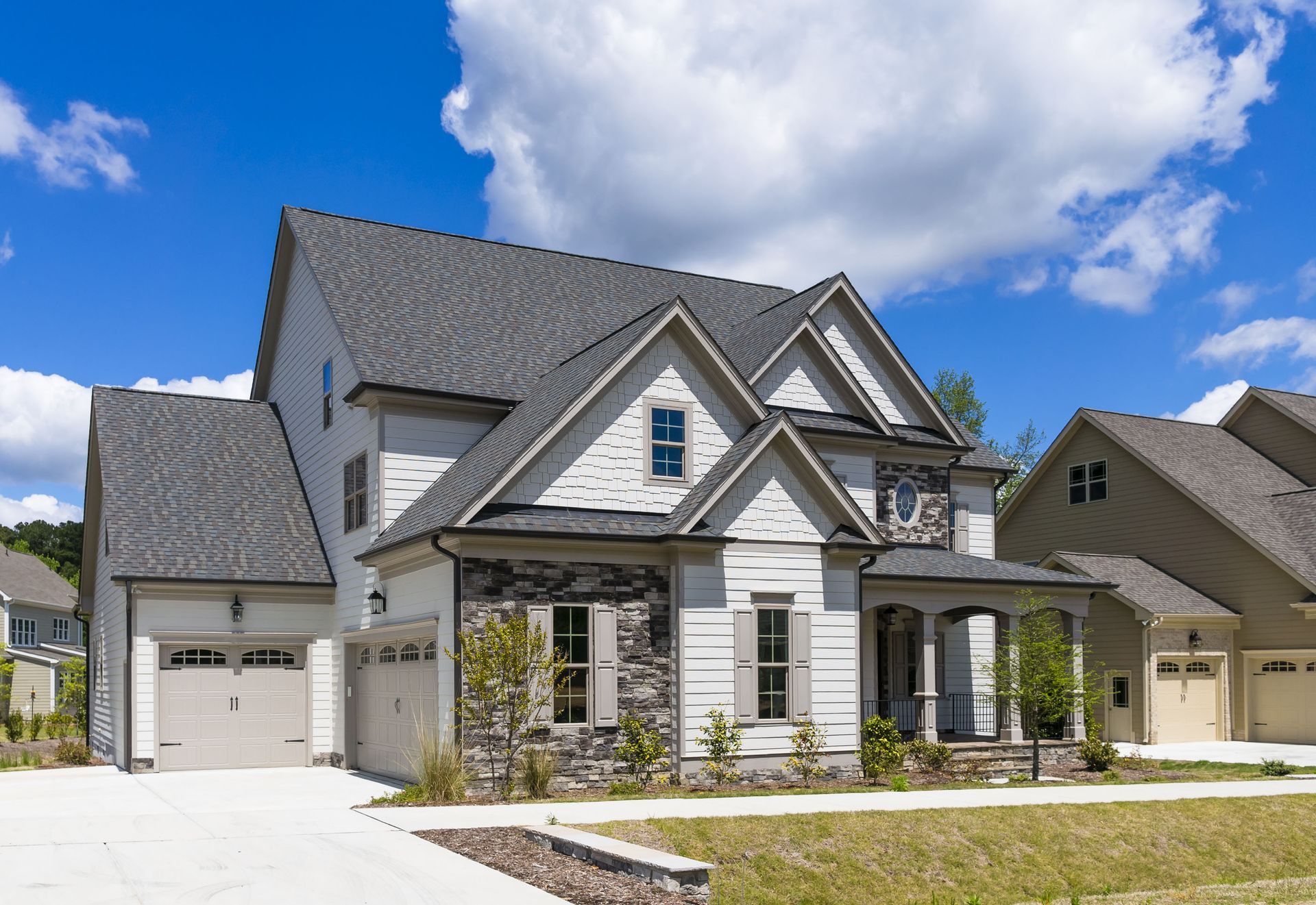
A home's exterior appearance significantly influences its overall market valuation and curb appeal. Patchwork DIY repairs often stand out like a sore thumb, featuring mismatched shingle colors, sloppy caulking beads, and uneven ridge lines. Potential home buyers and real estate inspectors easily spot amateur repairs, which immediately raises red flags about the overall maintenance history of the property.
Investing in professional repairs maintains a seamless, attractive exterior while reassuring future buyers that the home has been cared for by experts. A skilled roofer takes pride in matching existing shingle colors, blending repair seams naturally, and leaving clean, crisp flashing lines that enhance visual appeal. When it comes time to sell, having a certified maintenance record adds tangible value to the property, allowing sellers to command top market prices without facing demands for massive roof repair credits during closing negotiations.
Maximizing True Cost Savings and Long-Term Value
While handling a repair yourself may seem like an easy way to save money on labor, the long-term financial reality often proves otherwise. Buying specialty tools, safety equipment, ladders, and retail-priced materials at local home improvement stores quickly eats away at anticipated savings. If the amateur repair fails—as many do—you end up paying twice: once for the initial DIY attempt and again for a professional to tear out the faulty work and fix the compounded damage.
An established roofer brings commercial-grade tools, buys quality materials at wholesale trade prices, and completes the work correctly on the first attempt. Their efficiency reduces project timelines and prevents secondary damage to ceiling drywall, electrical wiring, and attic insulation. By preventing costly water damage and extending the overall lifespan of your existing structure, professional repairs yield a far higher return on investment than risky weekend projects.
Your roof is your home's first line of defense against nature, and its maintenance should never be left to chance. The combination of high-altitude physical danger, complex structural mechanics, and the threat of hidden water damage makes amateur repairs a gamble that rarely pays off.
Entrusting your home to a professional roofer guarantees that problems are diagnosed accurately, repairs are completed safely, and structural warranties remain intact. Rather than spending your weekend climbing dangerous ladders and guessing at leak sources, rely on trained professionals who bring skill, safety gear, and lasting quality to every job. Protecting your home with expert craftsmanship delivers unmatched security and peace of mind for years to come. Don't leave your home's primary protection to chance—contact JC Construction Service, LLC today to schedule your expert roof inspection and repair!