March 4, 2026
Weathering Environmental Forces
The outdoors places enormous pressure on residential roofs, and exposure to weather remains one of the most persistent reasons why roof repairs become so common. From seasonal storms to long-term sun exposure, materials are gradually stressed in ways that undermine protective barriers and weaken key components. Homeowners often underestimate how much damage gradual environmental wear can cause until leaks or missing shingles appear unexpectedly.
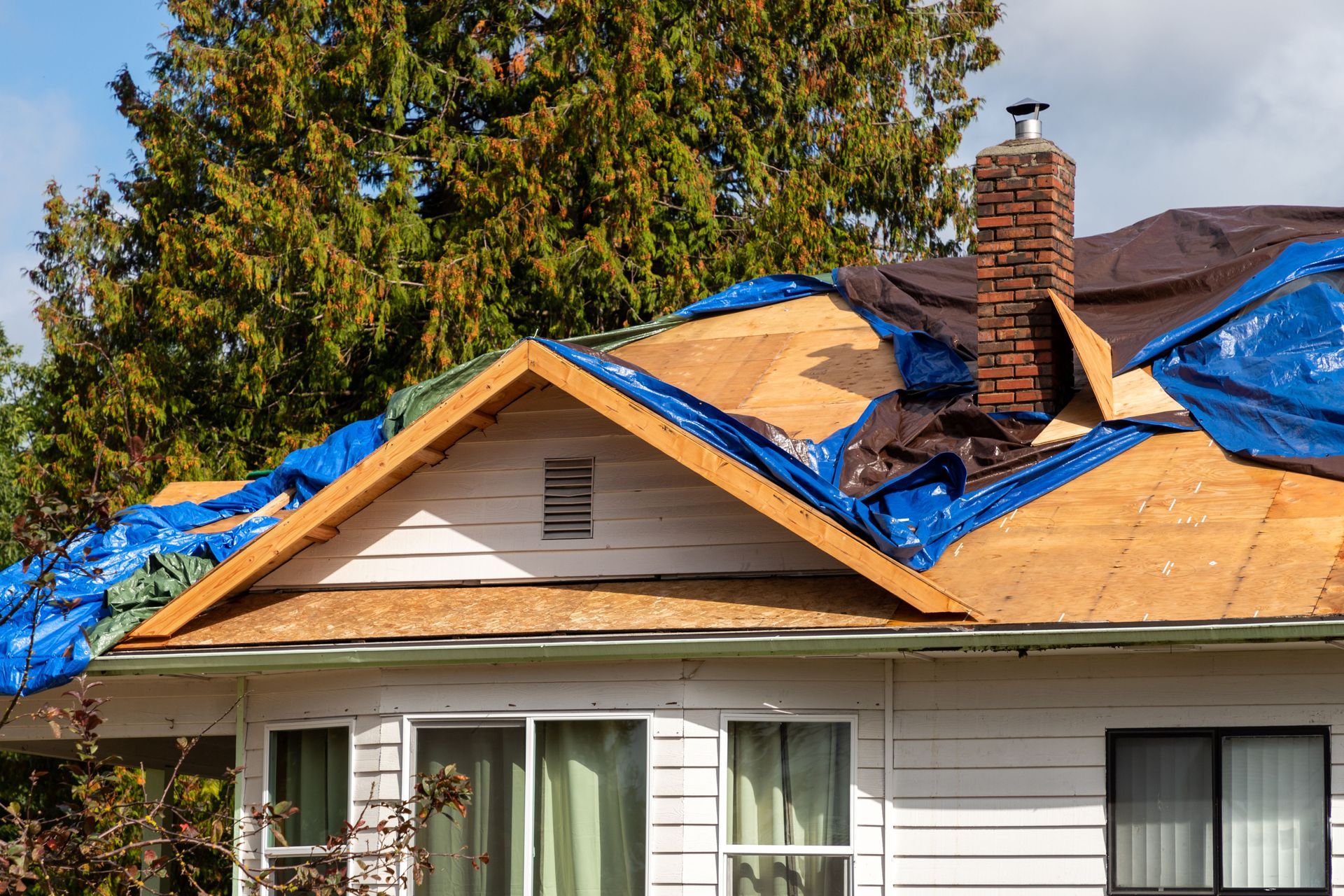
Rain, wind, snow, ice, hail, and ultraviolet radiation each contribute their own variety of risks. Heavy rains challenge drainage and amplify the chances of moisture intrusion. Wind can loosen or remove shingles entirely, while snowfall and freeze-thaw cycles add weight and encourage ice dams that push water beneath roofing surfaces. Hailstorms bring impact damage that cracks or dents vulnerable materials. Meanwhile, sunlight dries and ages asphalt-based products, eventually making them brittle and less capable of sealing out moisture.
Growing awareness about these environmental pressures has translated into increased homeowner action. According to This Old House, over the past three years, nearly 31% of homeowners have pursued roof renovation, repair, or maintenance projects. The data reflects how frequently roofing issues arise and underscores the weather's long-standing influence on overall roof condition.
Weather-driven deterioration also varies regionally, which explains why certain geographic areas experience more frequent roof repairs than others. Coastal regions endure salt-laden air that accelerates corrosion, while mountain communities deal with heavy snow loads and prolonged freeze cycles. Desert environments push materials to withstand intense heat, dryness, and ultraviolet damage. This diversity of stress emphasizes that no single climate guarantees an easier roofing lifespan.
Recognizing how harsh weather accelerates deterioration allows homeowners to schedule timely inspections, reinforce vulnerable areas, and limit the severity of roof repairs before they expand into more costly structural challenges.
Aging and Material Fatigue
Even the most durable roofing materials carry finite lifespans, and aging remains a major factor behind the frequency of roof repairs. Materials respond to decades of heat cycles, moisture exposure, and physical stress by losing elasticity, strength, or adhesion over time. As chemical and structural breakdown progress, protection against leaks becomes less reliable, prompting a need for patching, replacement, or upgrades.
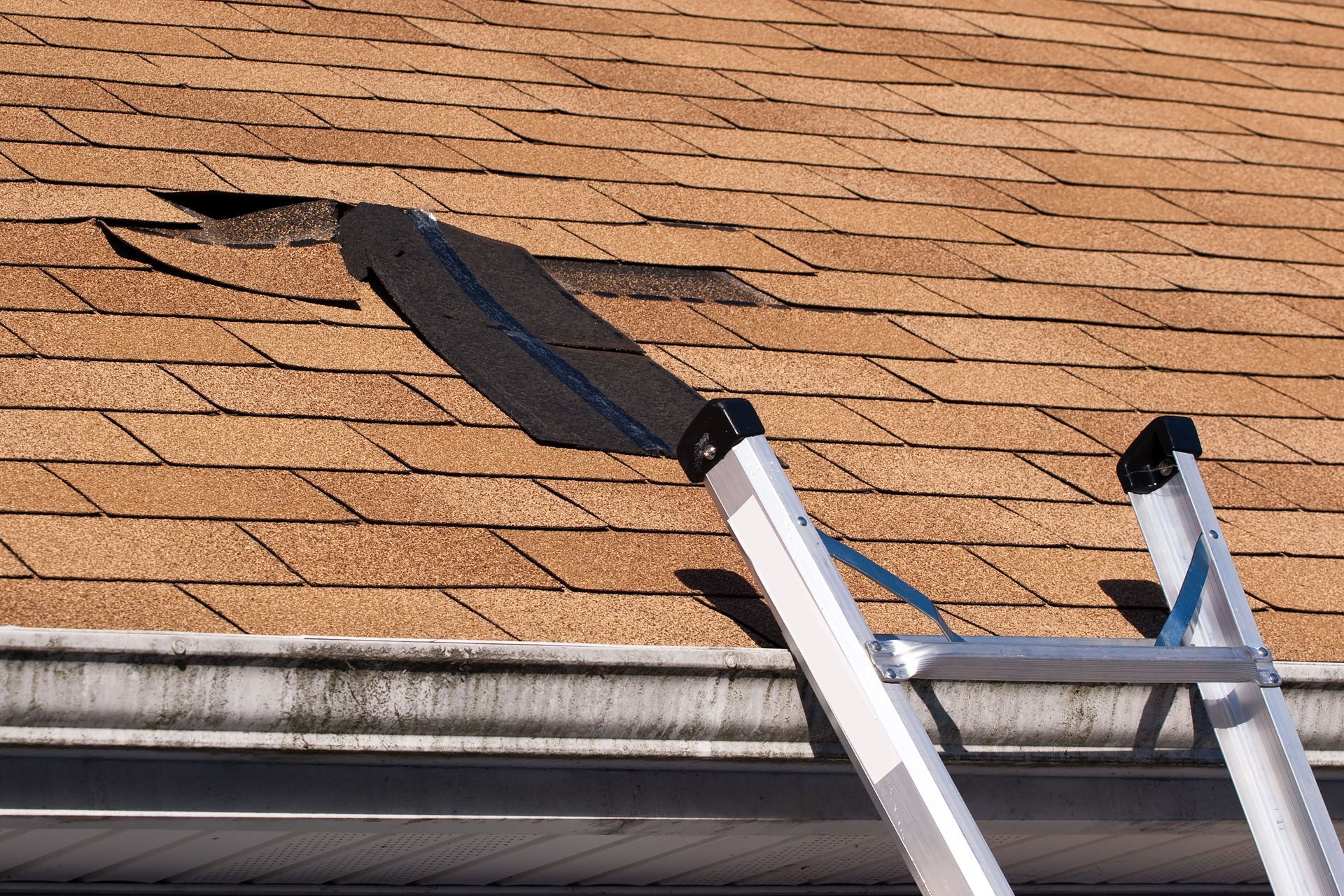
Asphalt shingle roofs illustrate this aging process clearly. Years of sunlight and temperature swings can cause curling, granule loss, and brittleness. Once shingles lose their protective layers, water intrusion becomes far more likely. Metal roofs, although resilient, can corrode in humid or coastal conditions unless coated or well-maintained. Wooden shakes warp and split when moisture and insects take hold, while slate tiles can crack from seasonal impacts or natural brittleness. Even the underlayment beneath finished materials weakens over time, reducing its value as a secondary moisture barrier.
What many homeowners don't realize is that aging doesn't just weaken material; it slows the speed of roof response during storms. Older shingles flap more easily in the wind, and aging adhesives lose grip, which increases the likelihood that roof repairs will be necessary after weather events that a newer roof might have survived unscathed. This cumulative decline illustrates why age-related maintenance becomes more critical during later years of a roof's life.
Acknowledging that materials fatigue with age encourages homeowners to plan for periodic maintenance and strategic partial replacements that extend the useful lifespan while minimizing the need for emergency roof repairs.
Correcting Installation Shortcomings
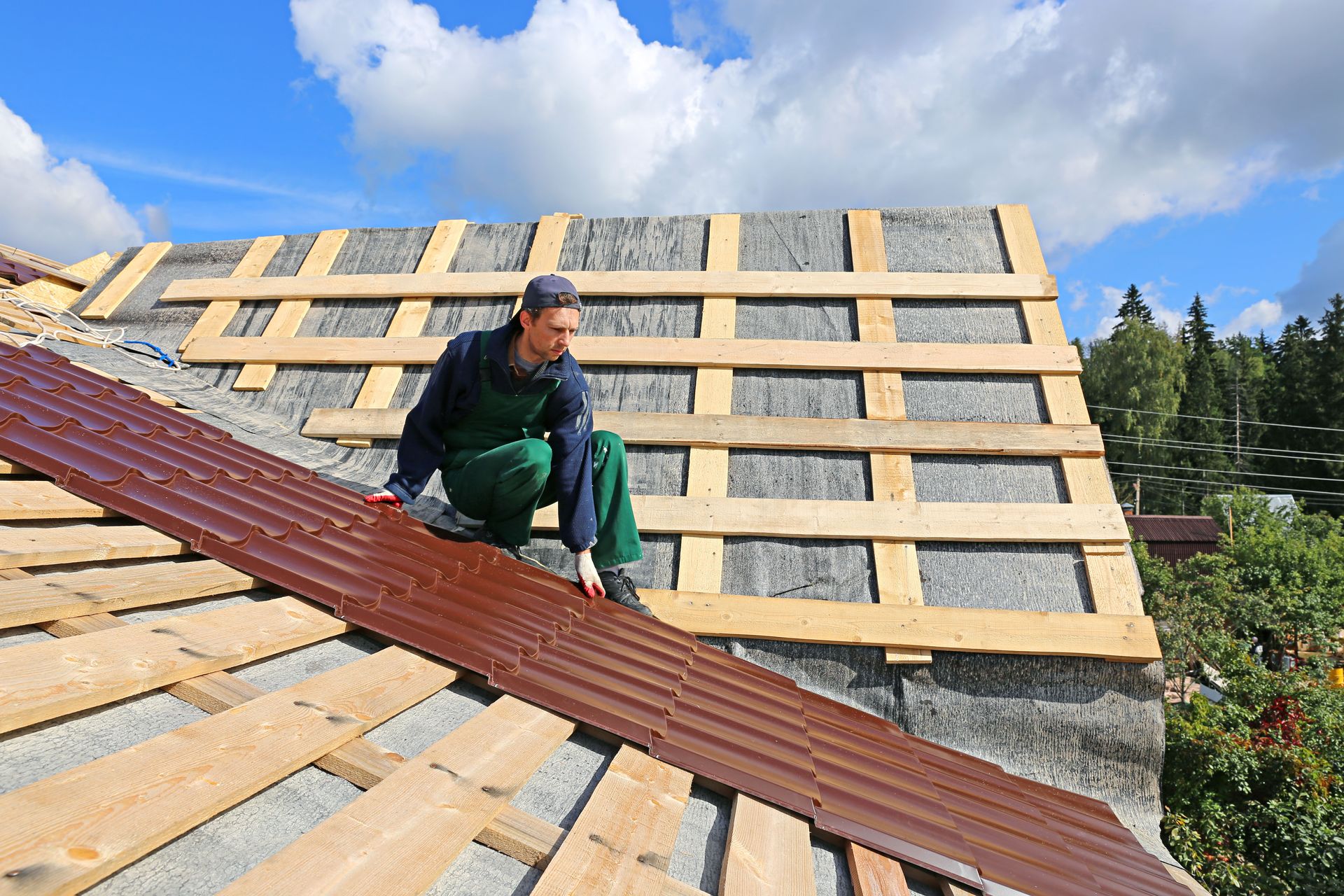
Not all roofing problems originate from weather or age; many stem from flawed installation practices. Inexperienced installers, rushed workmanship, or failure to follow manufacturer guidelines can shorten the life of a new roof considerably. When components are misaligned, improperly fastened, or incompletely sealed, the roof becomes vulnerable long before its expected service window ends.
Improper shingle alignment, inadequate nail patterns, missing flashing, and poorly executed ventilation systems are among the most common issues discovered during inspections. A lack of correct flashing installation near chimneys, vents, and roof valleys can lead to persistent leaks that homeowners often misinterpret as old age rather than installation error. Similarly, insufficient ventilation traps heat and moisture inside attics, accelerating material breakdown and fostering mold.
Installation-related issues can also complicate warranties and insurance coverage. Manufacturers may decline material claims if roofs weren't installed according to published standards, and insurers may challenge damage claims if neglect or faulty workmanship contributed to the issue. This creates an additional financial incentive for homeowners to ensure that roofing projects are done by experienced professionals.
Learning how installation missteps shorten roof life helps homeowners prioritize qualified contractors, verifiable workmanship, and proper inspection, reducing the chances that preventable installation-related roof repairs will appear prematurely.
Maintaining Structural Components
Beyond the visible layer of shingles or tiles, roofs rely on underlying structural systems that must remain sound to function properly. Decking, insulation, ventilation hardware, fasteners, and sealants all contribute to moisture protection, thermal performance, and load distribution. When these components suffer from neglect, roof repairs become more frequent and more complicated to complete effectively.
Decking can weaken from rot, trapped moisture, or fungal growth. Improper insulation increases the likelihood of ice dams, while poor ventilation encourages heat buildup and accelerates material decay. Sealants and adhesives gradually break down, leaving gaps that channel water into framing or attic spaces. Even fasteners can loosen over time, allowing movement in roofing materials that compromises water-tightness.
Homeowners who invest in routine attic checks, gutter cleaning, and ventilation evaluations typically experience fewer roof repairs over time. These simple maintenance actions help detect problems early and protect structural components that would otherwise deteriorate quietly beneath the surface. The idea that the roof is only what you see from the curb misleads many homeowners, when in reality, the unseen layers are often the most important to preserve.
Maintaining the hidden structural elements of a roofing system reinforces its full protective capabilities and reduces the scope, urgency, and cost of future roof repairs associated with hidden deterioration.
Budgeting for Preventive Care
Financial decision-making also plays a meaningful role in why roof repairs remain so prevalent. Roofing issues often escalate not because they are mysterious or sudden, but because homeowners postpone maintenance to avoid immediate expense. Unfortunately, delayed roofing care tends to convert small, inexpensive fixes into larger, more disruptive repair projects over time.
Preventive maintenance, including scheduled inspections and minor patching, allows contractors to catch leaks, lifted shingles, broken flashing, or sagging decking before damage spreads. Although these incremental interventions may appear costly in the moment, they are significantly more affordable than major structural repairs or full roof replacements. Insurance considerations also factor into budgeting, as certain policies expect homeowners to demonstrate routine upkeep to remain eligible for claim coverage.
In a broader financial sense, roofing offers strong returns on proactive care. Roofing systems directly influence heating and cooling efficiency, interior humidity, and long-term property value. Addressing roofing issues early ensures that repairs focus on localized concerns rather than system-wide failure, keeping service visits more occasional and less intrusive.
Embracing proactive budgeting for routine care helps homeowners reduce long-term costs, preserve home value, and limit preventable roof repairs that arise from deferred maintenance.
Ultimately, roof longevity depends on how well homeowners respond to weather exposure, material aging, installation practices, structural component performance, and preventive upkeep. Together, these forces explain why roofing challenges remain widespread and why the industry handles so many service calls every year. For more information about the services that we offer, reach out to our incredible team at JC Construction Service, LLC today!